Solar cell
A solar cell, also known as a photovoltaic (PV) cell, converts sunlight directly into electricity. It is the basic building block of solar panels, which are now widely used worldwide to produce clean, renewable energy. In recent years, solar cells have become one of the most promising solutions to meet the world’s growing energy demands while reducing dependence on fossil fuels.
In Pakistan, where sunshine is abundant year-round, solar cells have opened new possibilities for energy independence. From powering homes and offices to supporting agricultural and industrial needs, the adoption of solar technology is rapidly increasing.
What Are Solar Cells?
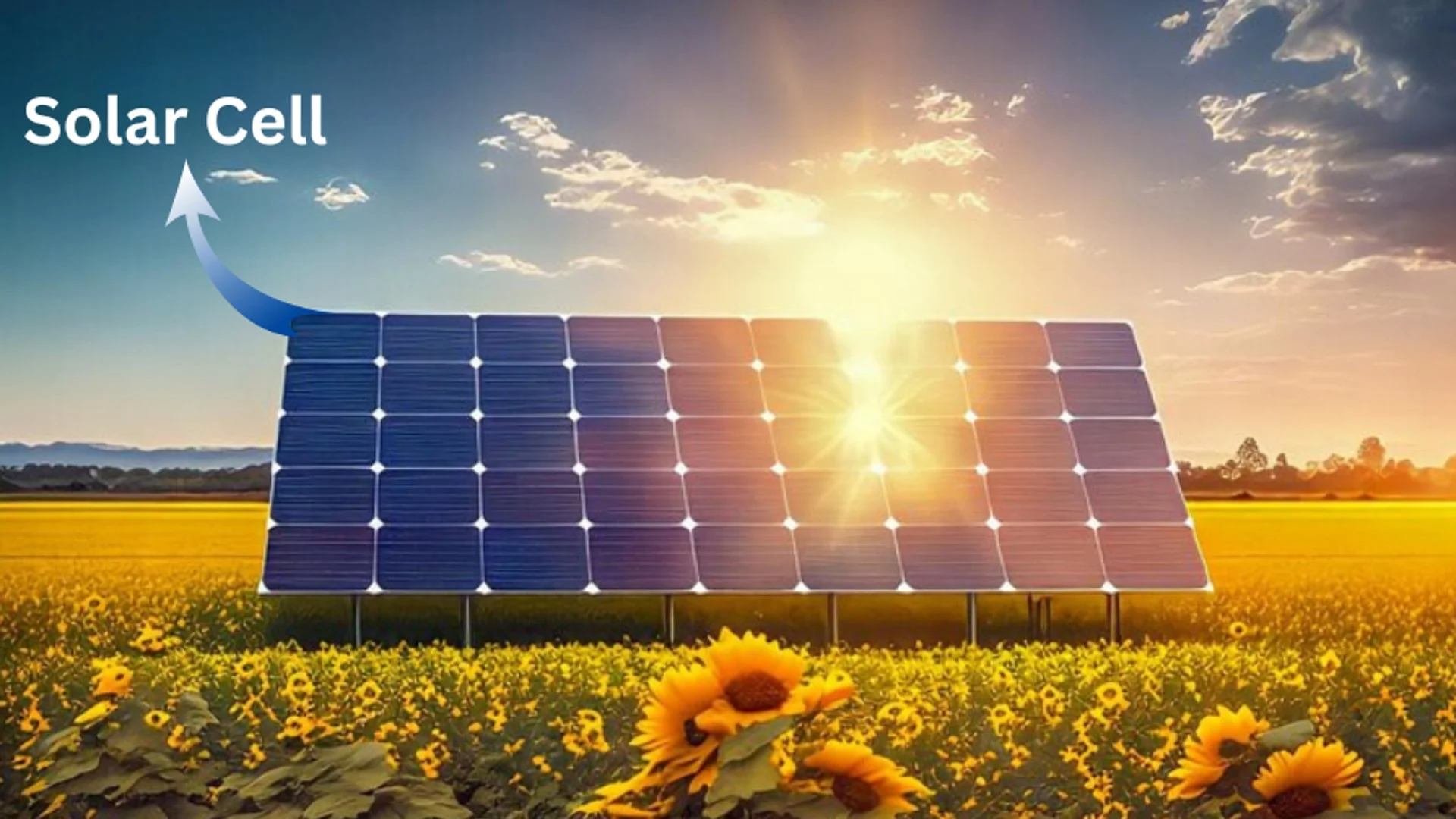
Solar cells, or photovoltaic (PV) cells, are semiconductor devices that convert sunlight into electricity via the photovoltaic effect. Solar cells can absorb sunlight because of their semiconductor materials, such as silicon. When sunlight strikes a semiconductor material, cells generate electricity that can power electronic devices. This electricity can also be stored in solar batteries and converted to AC power using an inverter.
Solar cells, often called photovoltaic (PV) cells, are the building blocks of modern solar energy systems. In Pakistan, the rising cost of cells has become a significant concern as more households and businesses transition to renewable energy, aiming to reduce their reliance on the national grid and mitigate increasing electricity costs.
How Does a Solar Cell Work?
The working of a cell is based on the photovoltaic effect, first discovered in the 19th century. The process can be explained in four simple steps:
Solar cell price in Pakistan
The cost of solar cells in Pakistan depends on several factors, such as the technology type, efficiency, brand reputation, and whether the product is imported or locally available. Monocrystalline cells, known for their high efficiency and sleek design, generally cost more than polycrystalline cells, which are more affordable but slightly less efficient. The thin-film cells are also available in the market, often used for specialised installations, and their pricing varies with production and demand. Another factor influencing the price is the cell’s size and wattage. Smaller cells used for experimental or educational purposes are inexpensive, while high-wattage cells designed for large-scale solar panels are more expensive.
Additionally, global silicon prices, import duties, and currency fluctuations affect how much consumers in Pakistan pay. Despite these variations, cells remain a cost-effective long-term investment. Once installed as part of a solar panel system, they can significantly lower electricity bills and provide a sustainable source of power for years. With government support and growing awareness, the market for solar cells in Pakistan is expanding rapidly, driving down prices and expanding availability.
In short, while the price of solar cells in Pakistan can vary by type and efficiency, they are increasingly seen as an affordable gateway to renewable energy, making solar adoption easier for households, businesses, and industries alike.
Types Of Solar Cells
Solar panel photovoltaic
All solar panels use photovoltaic technology to convert sunlight into electricity using semiconductor materials.
Here are some examples of solar panels, also known as photovoltaic panels (PV).
Future Of Solar Cells
The future of cells looks bright and innovative. With advancements in nanotechnology, perovskite materials, and bifacial solar panels, efficiency levels are expected to rise significantly. Governments worldwide are also promoting solar adoption through subsidies, net metering policies, and green energy programs.
In Pakistan and other developing countries, solar energy plays a vital role in reducing the supply-demand gap. Off-grid solar systems are already helping rural areas gain access to electricity where traditional power lines cannot reach.
Experts predict that by 2050, solar energy could become the world’s largest source of electricity.
Challenges of Solar Cells:
- High Initial Cost: Installation costs can be expensive for individuals.
- Weather Dependence: Performance decreases on cloudy days or during nighttime.
- Energy Storage: Batteries are required for storing energy, which adds cost.
- Efficiency Limitations: Most commercial cells still operate below 25% efficiency.
Conclusion
Solar cells are not just an invention—they are a revolution in how the world generates electricity. By converting sunlight into usable energy, they offer a sustainable and eco-friendly alternative to traditional power sources. In Pakistan, where sunlight is plentiful, the use of solar cells has become both an economic and environmental necessity.
Whether for homes, businesses, or farms, solar cells provide long-term benefits — reduced bills, clean energy, and independence from grid power. As technology continues to evolve, solar cells will remain at the heart of the green energy movement, lighting the way toward a cleaner and brighter future.